

Clinically reviewed by the Peachtree Detox & Residential clinical team · October 2026
Peachtree Detox & Residential is a Georgia program, about four hours down I-75 from Knoxville. It is a long drive, and some East Tennessee families choose it because it puts real distance between a person and the places tied to their use.
Game day in Knoxville makes it easy to hide a drinking problem. So does a long shift at a plant in Oak Ridge, or a pain prescription that got refilled one too many times after a fall on a job site in Maryville. By the time anyone in the family says the word out loud, the person they love may already be shaking in the mornings, or quietly running out of pills before the bottle should be empty. If that sounds like your house, being scared enough to look up drug rehab in Knoxville is a reasonable response.
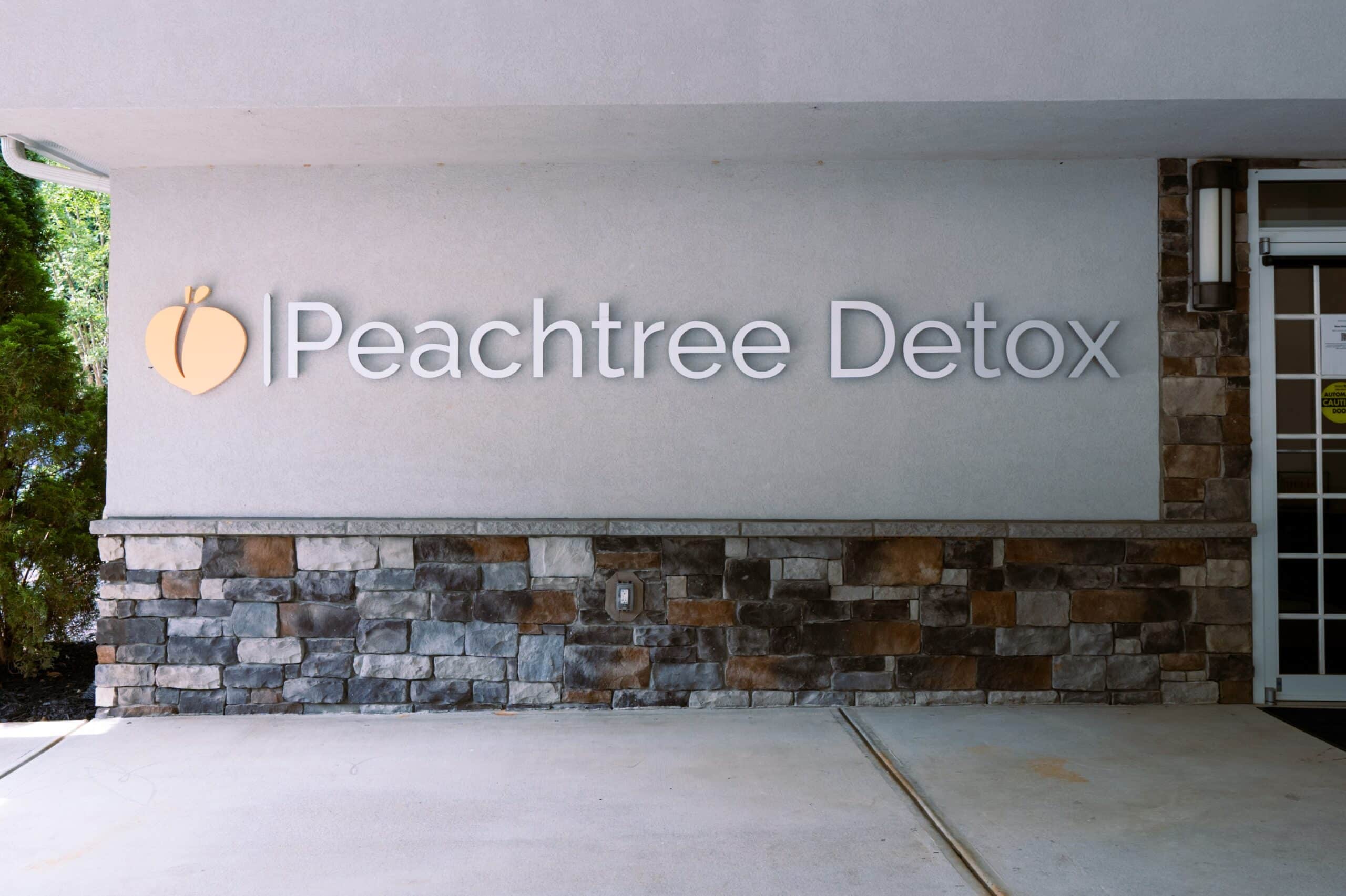
Peachtree Detox & Residential treats adults with substance use disorder at 1008 GA-54 in Fayetteville, Georgia, south of Atlanta. There is no Tennessee campus. What we offer Knoxville families is medically supervised detox and a residential stay in one place, run by the same team, a full day’s distance from the routines that kept use going. Knoxville is one of several cities in the Tennessee communities we serve, from Chattanooga to Nashville.
When Leaving East Tennessee Makes Sense
Knox County has treatment programs, and for plenty of people the best choice is one they can reach on Kingston Pike or the Pellissippi Parkway. Families who look further usually have a specific reason. They want detox and residential care on the same campus, so withdrawal flows straight into therapy. They carry Tricare and want a program that is in-network for it. Or they have watched the same pattern three or four times: a few rough days in a back bedroom in Fountain City or Halls, a friend who drops by, a drive to the old spot, and the whole attempt gone by the weekend.
From Fayetteville, the old spot is four hours back up I-75, and nobody makes that drive on a whim at midnight. That buys time for the body to settle and for the craving to start loosening, and it gives the rest of the household a stretch of nights where they are not listening for the car.
Distance is not a fit for everyone, and it is fair to ask our admissions team whether a program closer to home would serve you better. For the people who do make the trip, the separation tends to help more than it hurts.
What Withdrawal Looks Like, and Why It Belongs Somewhere Supervised
Most calls from the Knoxville area involve alcohol, prescription opioids, fentanyl, or a mix of substances. Each one comes off differently.
Prescription opioids and fentanyl
NIDA notes that long-term use of prescription opioids, even exactly as a doctor prescribed, can lead to tolerance, meaning a person needs more of the drug to get the same effect, and to physical dependence, where the brain adapts so it only works normally with the drug present. When the drug stops, withdrawal can begin within a few hours. It brings muscle and bone aches, diarrhea, vomiting, sweating, goosebumps, and a restless, wired exhaustion that makes sleep nearly impossible.
Opioid withdrawal is rarely fatal on its own. The danger is what happens next. A person who gives up on day three and returns to their old dose is taking it into a body whose tolerance has already dropped, and that is when overdoses happen. Our opioid detox program treats symptoms as they come and can bring in medication-assisted treatment when it fits.
Peachtree Detox & Residential offers Suboxone and the monthly Sublocade injection, both forms of buprenorphine, which eases withdrawal and cravings by partly activating the same receptors, plus Vivitrol and oral naltrexone, which block opioids from working at all. Our medical team decides with each person whether any of them is the right fit.
Alcohol and benzodiazepines
Alcohol and sedatives such as Xanax or Klonopin are the withdrawals families most often underestimate. Stopping suddenly after heavy, daily use can bring tremors, seizures, and in some people delirium tremens, a medical emergency in which confusion sets in and the body’s automatic controls over heart rate, blood pressure, and temperature break down. That risk is why our alcohol detox happens on a monitored unit with nurses checking vital signs through the night.
For people coming off alcohol, there is also good news worth knowing early. NIAAA reports that three medications are approved in the United States to help people stop or cut back drinking and avoid a return to it, and all of them are nonaddictive. Naltrexone, which we offer, is one of them.
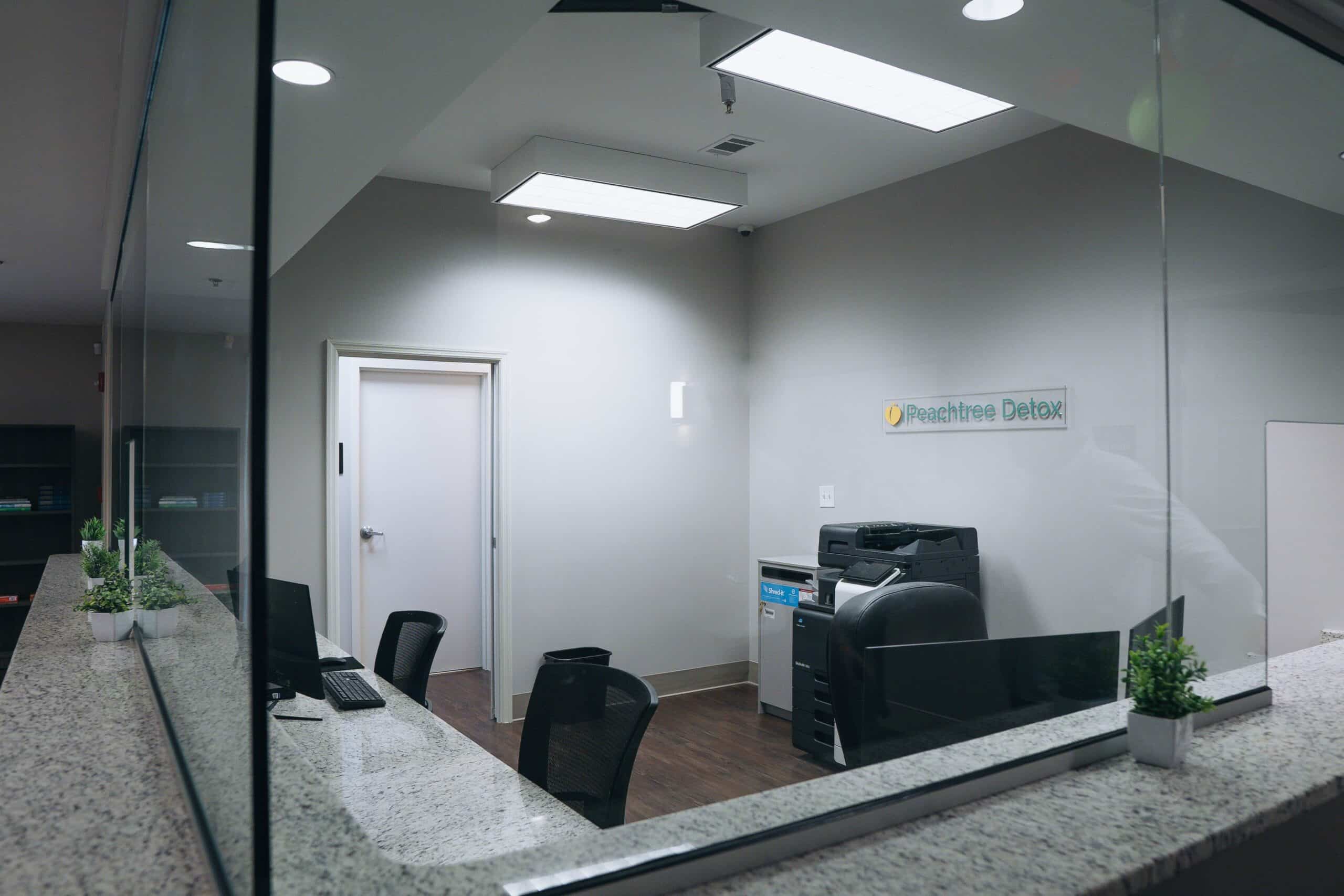
Tour Our Detox in Fayetteville, Georgia


Residential Treatment After Detox
Clearing a substance from the body takes days. Changing the habits and the reasons underneath it takes longer, and that work happens in our residential rehab program on the same campus. The ASAM Criteria, the framework clinicians use to match people to the right level of care, treat detox and residential treatment as separate steps, because detox handles withdrawal and residential care handles what comes after.
In residential care, every person has weekly individual therapy with a master’s-level therapist. Group work draws on cognitive behavioral therapy, which helps people spot the thoughts that tend to come right before using, and dialectical behavior therapy, which teaches ways to sit with strong emotions without acting on them. Trauma-informed therapy, holistic therapy, and trauma-informed yoga are part of the week, and many people find that the depression or anxiety they were medicating starts getting attention for the first time. AA, NA, and SMART Recovery meetings run onsite.
The days are not all therapy rooms. There are catered meals, books and art supplies, board games, cornhole and horseshoes outside, and TVs in the bedrooms. The setting is meant to feel like somewhere a person can live for a few weeks.
Getting From Knoxville to Fayetteville
The drive is almost entirely one road. From Knoxville, take I-75 south past Lenoir City, Sweetwater, Athens, and Cleveland, skirt Chattanooga at East Ridge, and cross into Georgia at Ringgold. Keep on I-75 through Dalton, Calhoun, and Cartersville into the Atlanta area, take I-285 around the west side to I-85 south, and head down into Fayette County to GA-54. Plan on about four hours, longer if you reach Atlanta during rush hour. Knoxville and Fayetteville share Eastern time, so what the clock says when you leave is what it says when you arrive.
Flying from McGhee Tyson
Families coordinating a loved one’s admission from a distance sometimes fly instead. Flights from McGhee Tyson Airport in Alcoa land at Hartsfield-Jackson Atlanta International Airport, on the south side of the metro. From there it is roughly a half hour south to campus, with Piedmont Fayette Hospital a few minutes up GA-54 and Peachtree City just next door.
Family Contact and the Trip Back Home
Four hours apart is hardest on the people left at home. Peachtree Detox & Residential has a nightly phone policy, so a spouse in Farragut or a parent in Powell can hear their person’s voice each evening rather than waiting weeks for a first call. Family therapy is also part of treatment, which gives relatives a structured place to talk about what the last few years have been like.
Before discharge, our team builds an aftercare plan pointed at outpatient care, medication follow-up, and meetings close to home in Knox County. It is also worth keeping naloxone in the house. NIDA describes the prepackaged nasal spray as needle-free and simple to use, and families can ask a pharmacist to show them how. If anyone in the household reaches a crisis point while their person is in treatment, 988 is answered in Tennessee, and the state reports that most of those calls are resolved by talking things through, with emergency services dispatched on about 1 percent.
Coverage for Knoxville Residents
Peachtree Detox & Residential accepts many insurance plans, and for military families and retirees in East Tennessee, that includes Tricare East Select and Prime.
With any other plan, the answer depends on the fine print, so start with a confidential insurance check. Our admissions team will review your benefits and explain in plain terms what is and is not covered. Private-pay arrangements are available too, and the costs are laid out before anyone commits to the trip.
Start the Conversation From Knoxville
The first call often comes from a sister or a spouse who has been holding things together for months, and that is a fine place to start. Reach us through the Peachtree Detox & Residential admissions page, and our team will ask what has been happening, check your coverage, and explain what the drive down I-75 and the first night here involve. You do not have to have every answer before you reach out, and you will not be pushed into a decision. If someone is in immediate danger, call 911, and for a mental health or substance use crisis in Tennessee, call or text 988.
FAQs About Detox and Residential Near Knoxville in Fayetteville, GA
No. Peachtree Detox & Residential runs one program, at 1008 GA-54 in Fayetteville, Georgia, south of Atlanta. Knoxville residents reach us by driving about four hours down I-75 or by flying from McGhee Tyson into Hartsfield-Jackson, which is roughly a half hour from campus. Our admissions team can help you weigh the trip against options closer to home.
Plan on about four hours. The route is I-75 south through Chattanooga, Dalton, and Cartersville, then I-285 around the west side of Atlanta to I-85 south and down to GA-54. Atlanta rush hour can add a good deal of time, so many families aim to pass through the metro mid-morning or early afternoon.
Yes. Peachtree Detox & Residential has a nightly phone policy, so contact with family is part of every day of the stay. Family therapy is also offered, which gives relatives in Knoxville a structured way to take part in treatment even from four hours away.
Many plans do, but coverage depends on the details of your policy. Our admissions team will run a confidential benefits check and explain what your policy covers before you travel. Private-pay options are also available.
Sources
- American Society of Addiction Medicine. (n.d.). The ASAM criteria. Retrieved from: https://www.asam.org/asam-criteria. Accessed on October 29, 2026.
- National Institute on Alcohol Abuse and Alcoholism. (n.d.). Treatment for alcohol problems: Finding and getting help. Retrieved from: https://www.niaaa.nih.gov/publications/brochures-and-fact-sheets/treatment-alcohol-problems-finding-and-getting-help. Accessed on October 29, 2026.
- National Institute on Drug Abuse. (n.d.). Naloxone DrugFacts. Retrieved from: https://nida.nih.gov/publications/drugfacts/naloxone. Accessed on October 29, 2026.
- National Institute on Drug Abuse. (n.d.). Prescription opioids DrugFacts. Retrieved from: https://nida.nih.gov/publications/drugfacts/prescription-opioids. Accessed on October 29, 2026.
- Shah, M., & Huecker, M. R. (2023). Opioid withdrawal. StatPearls. Retrieved from: https://www.ncbi.nlm.nih.gov/books/NBK526012/. Accessed on October 29, 2026.
- Tennessee Department of Mental Health and Substance Abuse Services. (n.d.). 988 in Tennessee. Retrieved from: https://www.tn.gov/behavioral-health/crisis/988.html. Accessed on October 29, 2026.