


Last Updated on:
May 21, 2026
Suboxone is a life-saving medication used to manage opioid withdrawal and cravings as part of medication-assisted treatment (MAT).
While this medication can significantly improve quality of life, finding the correct dosage is crucial. Too low of a Suboxone dose can lead to uncomfortable symptoms, cravings, and even relapse. If you’re concerned that your Suboxone dose might not be sufficient, Peachtree Detox & Residential can help.
Peachtree Detox & Residential offers detox and inpatient rehab programs in Georgia to help individuals overcome opioid use disorder.
What Is Considered A Low Suboxone Dose?
A low Suboxone dose can vary depending on the individual, but generally, it is classified as:
2 mg to 4 mg of Buprenorphine per Day: This range is often considered low for individuals with moderate to severe opioid dependence. It may be appropriate for those who have already tapered down or have milder dependencies.
Below 2 mg of Buprenorphine per Day: Extremely low doses, such as 1 mg or less, are usually reserved for patients in the final stages of tapering off Suboxone entirely.
When Is A Low Dose Of Suboxone Prescribed?
A low dose of Suboxone may be prescribed in the following situations:
- Mild Dependence: Patients with a lower level of opioid use or shorter histories of use may start with a lower dose.
- Tapering Off Suboxone: As patients progress in their recovery, healthcare providers may gradually reduce the dose to minimize dependence on the medication.
- Maintenance for Stability: Some individuals respond well to lower doses and maintain stability without experiencing withdrawal symptoms or cravings.

10 Signs Your Suboxone Dose May Be Too Low
If you’re experiencing discomfort or suspect your current dose isn’t meeting your needs, it’s essential to recognize the warning signs and address them with your healthcare provider.
1. Opioid Cravings
One of Suboxone’s primary functions is to curb opioid cravings. If you find yourself frequently thinking about using opioids or struggling to resist urges, it could indicate that your current dose isn’t enough to block cravings effectively.
2. Experiencing Withdrawal Symptoms
Suboxone is designed to prevent withdrawal symptoms, but if your dose is too low, you may notice classic withdrawal signs such as:
- Sweating
- Goosebumps
- Restlessness
- Muscle aches
- Diarrhea
These symptoms are a clear indicator that your body isn’t receiving adequate opioid receptor coverage.
3. Lack of Energy or Persistent Fatigue
If you feel sluggish or exhausted throughout the day despite adequate rest, your dose might not be sufficient to stabilize your system. This fatigue could stem from lingering withdrawal effects.
4. Difficulty Concentrating or Focusing
An underdose of Suboxone can leave your brain in a state of partial withdrawal, making it harder to focus on tasks or maintain mental clarity. This cognitive fog can hinder work, school, or personal responsibilities.
5. Mood Swings or Emotional Instability
Suboxone helps stabilize brain chemistry disrupted by opioid addiction. If your dose is too low, you may experience irritability, anxiety, or even bouts of depression. These mood fluctuations can make daily life more challenging.
6. Physical Discomfort or Restlessness
Feeling physically uncomfortable, especially during moments of rest or sleep, could signal that your body isn’t getting the support it needs. Restlessness, agitation, or trouble sleeping may occur if your dose is too low.
7. Night Sweats or Hot Flashes
Unexplained night sweats or sudden hot flashes are common symptoms of withdrawal. If these symptoms persist while on Suboxone, it’s a good sign your dose might need adjustment.
8. Increased Sensitivity to Pain
Suboxone contains buprenorphine, which partially activates opioid receptors to manage pain and discomfort. If your dose is insufficient, you may notice heightened sensitivity to pain or the recurrence of chronic pain conditions.
9. Feeling Uneasy Between Doses
Suboxone doses are typically meant to last 24 hours. If you find yourself feeling anxious, restless, or experiencing withdrawal symptoms before your next dose, it may indicate that your current dosage isn’t lasting long enough.
10. Struggling to Stay Committed to Recovery
Recovery is already a challenging process, but an inadequate Suboxone dose can make it even harder. If you find yourself losing motivation or considering relapse, it’s crucial to speak with your provider about adjusting your treatment plan.
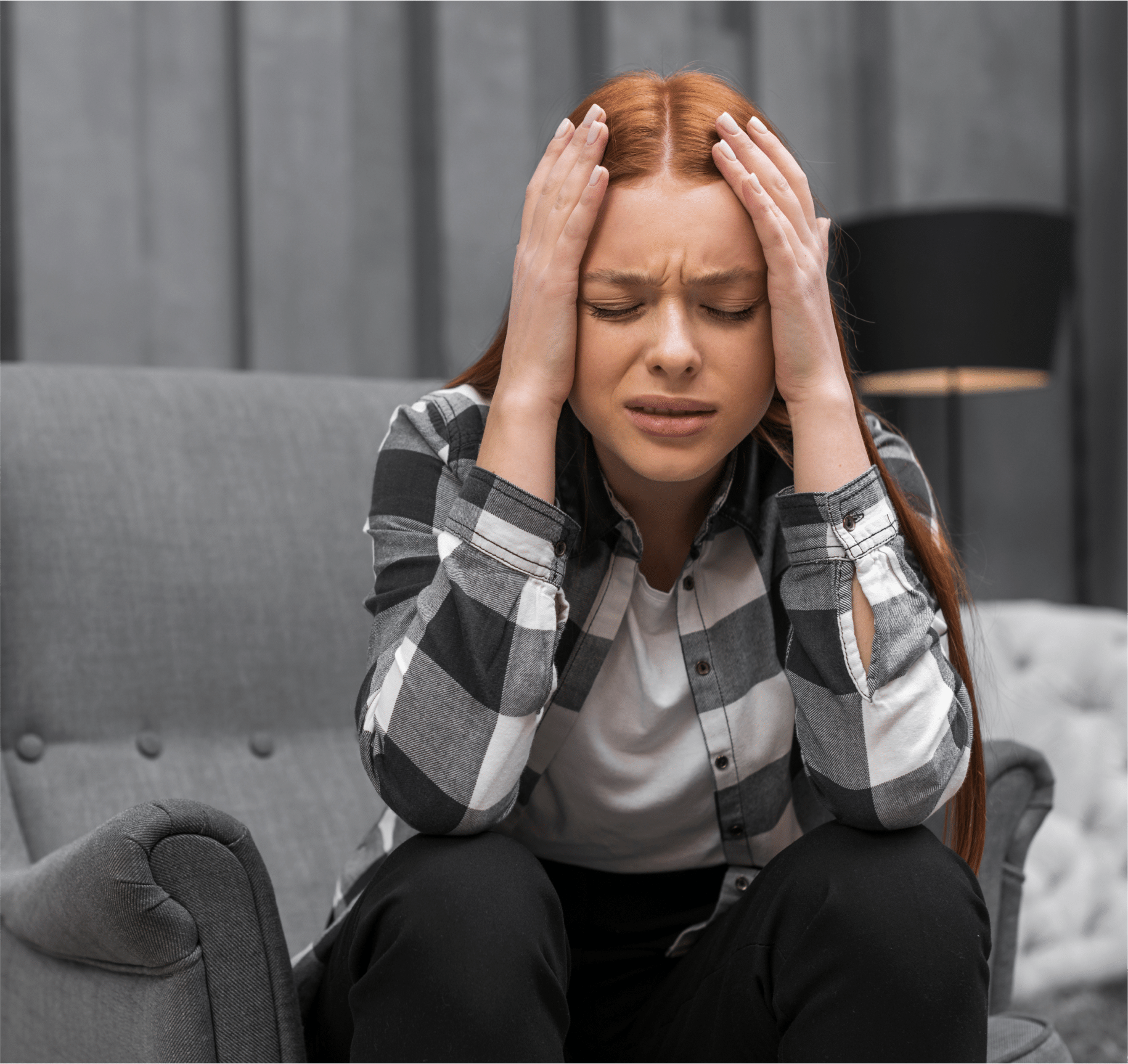
Should I Be Concerned About A Low Suboxone Dose?
A low dose isn’t inherently bad. It can work well for individuals in specific stages of recovery or with milder opioid dependencies. However, if you feel that your dose isn’t sufficient, speak with your healthcare provider or enter a drug detox facility. Never adjust your dosage without medical supervision.
Begin Drug Detox in Atlanta, Georgia Today
Suboxone is a powerful tool for overcoming opioid addiction, but finding the right dose is critical. If you’re unsure whether your dose is appropriate, or if you’re considering starting Suboxone therapy, contact Peachtree Detox & Residential.
Our team of experts will work with you to create a personalized plan tailored to your recovery needs.
Call us now or verify your insurance.