
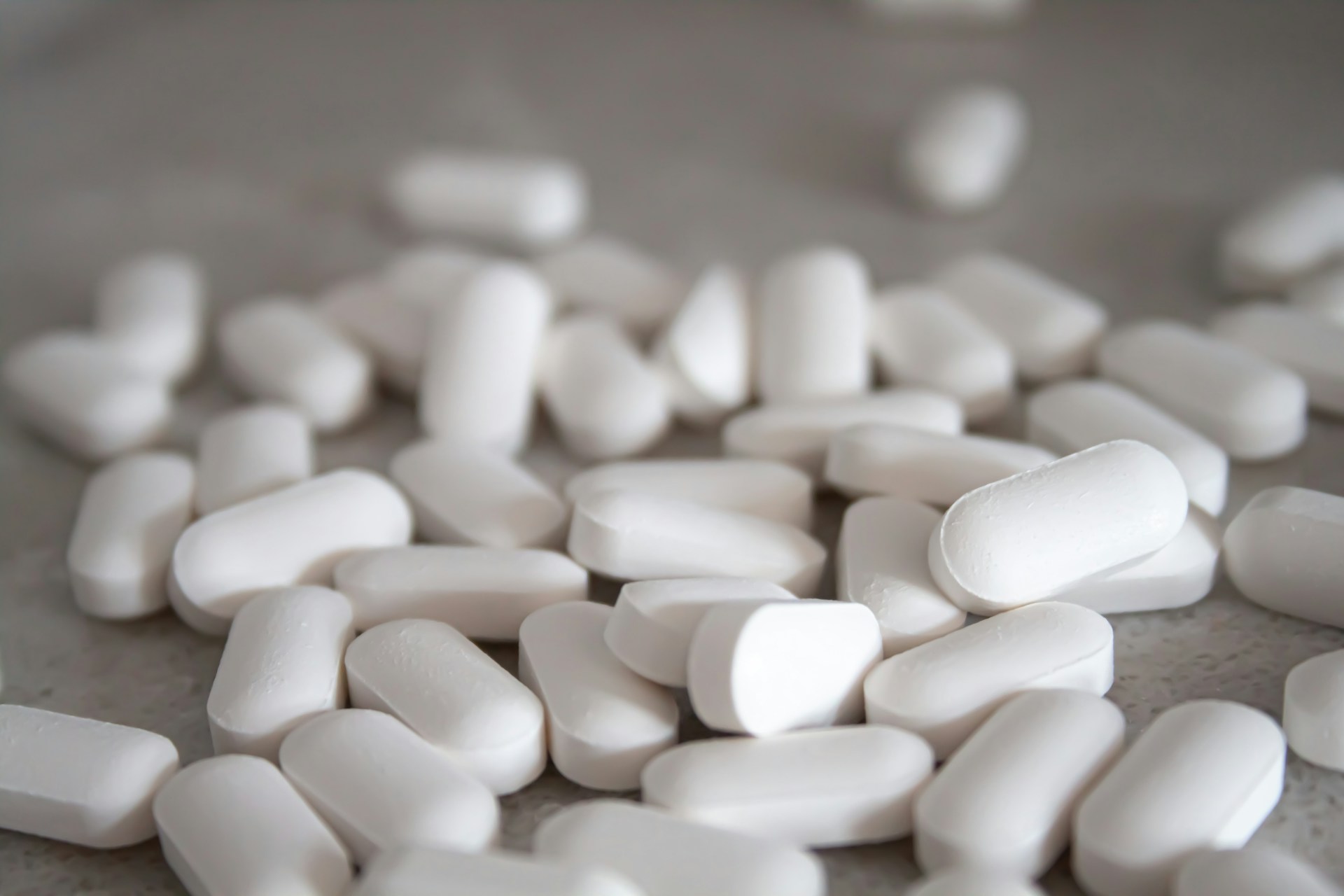
The small white tablet stamped AN 627 is tramadol, a prescription pain reliever many people are told is one of the milder opioids. That reputation hides a second action on the brain, and it is the reason coming off tramadol can become its own kind of medical event.
Clinically reviewed by the Peachtree Detox & Residential clinical team · July 2026
You probably got here by typing three characters into a search bar: A, N, 627. Maybe you read them off a small white pill in your own hand, or off one you found in a bag, a drawer, or a pocket that was not yours to go through. The tablet imprinted AN 627 is tramadol hydrochloride, 50 milligrams, a prescription opioid pain reliever. The letters are only the manufacturer’s code. What matters is the drug underneath them, and what it does when someone tries to stop.
Tramadol has a quiet reputation as the gentle opioid, the one a dentist or a surgeon reaches for when something stronger feels like too much. That reputation is exactly what makes it easy to underestimate. Tramadol works on the brain two ways at once, and the second way is why stopping it can look nothing like stopping other painkillers. At Peachtree Detox & Residential in Fayetteville, just off GA-54 in South Metro Atlanta, tramadol is one of the substances our medically supervised drug detox program stabilizes. Whether the pill is yours or belongs to someone you have been quietly worried about, the question underneath the search is usually the same: is this dangerous, and what happens if it stops.
What the Pill Marked AN 627 Actually Is
Start with the plain identification, because that is what most people came for. A round, white, unscored tablet with AN 627 pressed into one side is tramadol hydrochloride in the 50-milligram strength. The imprint is a factory code, nothing more, which is why the same medicine can look different from another pharmacy. Tramadol is a controlled substance. The U.S. Drug Enforcement Administration lists it as Schedule IV, a category for drugs with a recognized potential for dependence and misuse, even if that potential is lower than the drugs in the tiers above it.
Here is the part the label rarely explains. Tramadol relieves pain through two separate mechanisms in the same pill. First, it acts like an opioid: it binds to the mu-opioid receptors, the same docking points in the brain and spinal cord that oxycodone, heroin, and fentanyl fit into. Second, it behaves like a certain kind of antidepressant. Tramadol is a serotonin-norepinephrine reuptake inhibitor, an SNRI, which means it keeps two of the brain’s signaling chemicals, serotonin and norepinephrine, active longer than the body intended by slowing the rate at which nerves reabsorb them.
That double action is not a footnote. It is the whole reason this drug behaves differently from a straightforward painkiller. The opioid half creates the physical dependence people expect. The serotonin-and-norepinephrine half adds a layer that other opioids simply do not have, and it changes both the risks of taking too much and the shape of what happens when the drug is taken away.
Why Coming Off Tramadol Is Not Like Coming Off Other Opioids
If someone has been taking tramadol every day for weeks or months, the body adapts to both of its jobs at once. When the pills stop, two different withdrawals can arrive together, and that overlap is what catches people, and their families, off guard.
The first is ordinary opioid withdrawal, the flu-from-hell picture most people already have in their heads: sweating, chills, a runny nose, yawning, muscle and bone aches, stomach cramps, nausea, diarrhea, restlessness, insomnia, and a deep, gnawing craving. It is miserable and it is exhausting, and on its own it follows the general arc of the opioid withdrawal timeline. That much is familiar territory.
The second withdrawal is the one almost no one warns you about. Because tramadol has been propping up serotonin and norepinephrine, pulling it away can throw those systems into disarray, producing what clinicians call an atypical withdrawal, meaning withdrawal that does not follow the usual opioid script. Alongside the flu-like symptoms, a person can develop severe anxiety and panic, confusion, paranoia, hallucinations where they see or feel things that are not there, numbness and tingling, jolting electric-shock sensations sometimes described as brain zaps, and, in the most serious cases, seizures. The U.S. National Library of Medicine’s MedlinePlus is direct about this: tramadol should not be stopped suddenly, precisely because of these reactions.
The Warning Signs That Make Tramadol Different
Two dangers deserve to be named on their own, because they are what separate a hard week from a medical emergency.
- Seizures: Tramadol lowers the seizure threshold, the brain’s built-in resistance to a seizure. It makes a seizure somewhat more likely even at a prescribed dose, and that risk carries into the withdrawal window, especially without medical monitoring.
- Serotonin syndrome: Because tramadol drives serotonin up, mixing it with common antidepressants or stopping it in an unstable way can tip the body into serotonin syndrome, a dangerous flood of serotonin that can cause a racing heart, high fever, muscle rigidity, agitation, and confusion, and can become life-threatening. Reviews of medication-caused neuropsychiatric syndromes place tramadol squarely among the drugs that can trigger it.
- Overlapping panic and confusion: The psychiatric symptoms can look like a mental health crisis rather than a drug problem, which is one reason people are so often sent home from an emergency room without the right plan.
- A moving target: Symptoms can escalate hours after they seemed mild, so what looked manageable at noon can become frightening by nightfall.
None of this is written to scare you. It is written because it is accurate, and because the person living it, or the one watching them, deserves to know why tramadol earns more caution than its gentle reputation suggests.
Tour Our Detox in Atlanta, Georgia




Why Tramadol Detox Belongs Under Medical Supervision, Not in a Bedroom
If you have been afraid that quitting could hurt the person you love, or hurt you, that fear is not overblown. It matches what the medicine actually does. The reason to detox from tramadol in a medical setting is not comfort alone, though comfort matters. It is that the two most serious risks, seizures and serotonin syndrome, are exactly the kind of events that need to be watched for and treated in the minutes they appear, not discovered after the fact. This is where quitting cold turkey at home quietly becomes the most dangerous option on the table.
In a medical detox, the body’s vital signs, heart rate, blood pressure, and temperature, are monitored so a clinician can step in before a warning sign becomes an emergency. Instead of stopping all at once, the medicine is usually reduced in a controlled, gradual way, and a physician-led medical team can manage the symptoms with a set of comfort medications used during detox. Because the opioid half of tramadol behaves like any other opioid, the same tools that steady an opioid detox apply here.
One of those tools has strong support behind it. Buprenorphine, the medicine in Suboxone, occupies the same opioid receptors tramadol uses and can take the edge off the opioid side of withdrawal. A published emergency-medicine case report documented buprenorphine successfully treating high-dose tramadol dependence in an outpatient setting, and medication-assisted treatment with buprenorphine is one of the options a medical team weighs. Whether any medication fits, and which one, is a clinical decision made for the individual, never a dose to work out alone at a kitchen table.
What Happens After the Tramadol Is Out of Your System
Getting through withdrawal safely is a real accomplishment, and it deserves to be called one. It is also the beginning, not the end. Clearing tramadol from the body does not, by itself, address why the pills became a daily thing, whether that started with a legitimate prescription after a knee surgery at Piedmont Fayette Hospital or somewhere harder to name. That work happens in the structured days that follow, once the body is steady enough to do it.
There is also a longer tail worth naming honestly. Because tramadol touches the serotonin system, some people feel weeks of lingering sleep trouble, low mood, anxiety, and cravings after the acute phase ends, a pattern clinicians call post-acute withdrawal. It is real, it is common, and it is manageable with continued support rather than willpower. It is also one of the clearest reasons detox works best as a first step instead of the only step.
For South Metro Atlanta, having that next step close to home matters. Care that begins in Fayetteville can continue without sending someone far from the people and routines they are trying to rebuild, and the Georgia Department of Behavioral Health and Developmental Disabilities maintains a wider network of recovery resources across the state.
Peachtree Detox & Residential pairs medical detox with onsite residential treatment, so the move from detox into residential care can happen with a team that already knows the person, their history, and their risks. Inside that program, therapies such as cognitive behavioral therapy and dialectical behavior therapy are where the reasons behind the use finally get room to be sorted out.
Start Tramadol Detox Safely in Fayetteville, GA
Whoever is reading this right now, the person taking the AN 627 pill or the one who went looking for what it was, the safest next move is the same. Tramadol is not a drug to walk away from alone, and you do not have to.
As a medical detox and residential program for South Metro Atlanta, Peachtree Detox & Residential stabilizes tramadol dependence with a physician-led medical team, comfort medications, and, when it fits the person, buprenorphine to ease the opioid side of withdrawal, just off GA-54 in Fayetteville and within reach of Newnan, Jonesboro, Peachtree City, and Tyrone.
If you are the family member who found the pill, you did not overstep by looking it up; you may have caught something early. When you are ready, the admissions team can talk you through what an admission looks like and check your coverage, including Tricare East.
You can reach us through the Peachtree Detox & Residential admissions page whenever the moment feels right. If someone is having a seizure, cannot stay awake, has a high fever with stiff muscles, or is severely confused, call 911 now. For suicidal thoughts or a mental health crisis, call or text 988.
Frequently Asked Questions About Tramadol Detox Near Atlanta
A round, white tablet imprinted AN 627 is tramadol hydrochloride in the 50-milligram strength, a prescription opioid pain reliever classified by the DEA as a Schedule IV controlled substance. The imprint is just the manufacturer’s code. Tramadol relieves pain two ways at once: like an opioid, and by raising serotonin and norepinephrine the way certain antidepressants do. That dual action is why misuse and withdrawal can be more complicated than the drug’s mild reputation suggests, and why an accurate identification matters before anyone decides what to do next.
Yes. Tramadol lowers the seizure threshold, the brain’s natural resistance to a seizure, and seizures are a recognized danger in both tramadol overdose and withdrawal. Stopping suddenly can also trigger atypical symptoms other opioids do not cause, including severe anxiety, hallucinations, and, when combined with certain antidepressants, serotonin syndrome. These risks are the main reason not to quit cold turkey. In a medical detox, the team monitors for seizures and serotonergic reactions and can intervene early, which is why supervised withdrawal is far safer than riding it out at home.
Peachtree Detox & Residential provides medically supervised tramadol detox in Fayetteville, just off GA-54 in South Metro Atlanta, serving Newnan, Jonesboro, Peachtree City, Tyrone, and the wider Atlanta area near the ATL airport. The program offers medical detox with onsite residential treatment, so care continues after withdrawal rather than ending at the door. When you reach out, the team will review your coverage, including Tricare East, and walk through what an admission looks like. You can start that conversation through the Peachtree Detox & Residential admissions page whenever you are ready.
Sources
- Mukau, L., Wormley, K., Tomaszewski, C., Ahmad, B., Vohra, R., & Herring, A. A. (2022). Buprenorphine for high-dose tramadol dependence: A case report of successful outpatient treatment. Clinical Practice and Cases in Emergency Medicine, 6(1), 71–74. Retrieved from: https://pmc.ncbi.nlm.nih.gov/articles/PMC8885221/. Accessed on July 21, 2026.
- Choong, K., & Ghiculescu, R. A. (2008). Iatrogenic neuropsychiatric syndromes. Australian Family Physician, 37(8), 627–629. Retrieved from: https://pubmed.ncbi.nlm.nih.gov/18704211/. Accessed on July 21, 2026.
- MedlinePlus. (n.d.). Tramadol. U.S. National Library of Medicine. Retrieved from: https://medlineplus.gov/druginfo/meds/a695011.html. Accessed on July 21, 2026.
- U.S. Drug Enforcement Administration, Diversion Control Division. (n.d.). Tramadol. Retrieved from: https://www.deadiversion.usdoj.gov/drug_chem_info/tramadol.pdf. Accessed on July 21, 2026.
- American Society of Addiction Medicine. (n.d.). The ASAM criteria. Retrieved from: https://www.asam.org/asam-criteria. Accessed on July 21, 2026.
- Georgia Department of Behavioral Health and Developmental Disabilities. (n.d.). Georgia DBHDD. Retrieved from: https://dbhdd.georgia.gov/. Accessed on July 21, 2026.